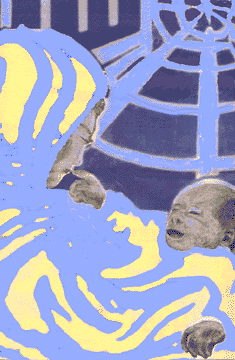
Over, finally, all the long dry pent-up days. The harsh, demanding voice silent. No more shouts in the middle of the night for a window opened, a window shut, a pillow removed, a pillow fluffed up, one more blanket, once less blanket, a drink of iced water or hot milk. No more major expeditions undertaken from bed to wheelchair, into the bathroom, from the wheelchair to the facilities, from the facilities to the wheelchair, into the bedroom, back into bed, fussing and rearranging until she was settled — all to avoid the indignity of using a bedpan.
In the blessed silence, Joan polished the furniture that was now hers. The house was now hers, the front yard, the rear garden, the fences and the hedgerows. No more would she be reminded every waking hour that she lived in her mother’s house and ate her mother’s food and was warmed by her mother’s fire. No more would she be reminded that at 37 she was lucky that somebody needed her for something, reminded that her mother could just as well hire a professional nurse and companion. The house was still solid, the trust fund would continue. She was free; free to do whatever she wanted to, in the suddenly opened future.
No one to judge what she did, no bitter eyes to leap on each small clumsiness or error as a victory, no gaunt gray hands to clutch and savor it and bring it up to the light again and again like a treasure. “Careful with the cough syrup, you don’t want to stain the coverlet again,” as she had done four years ago when the neighbor’s brought their new dog home and it barked at a passing car for the first time. “I do like my eggs soft, remember,” as she went down to make breakfast — the same words, every single morning, in the thin, taunting voice from the tight, taunting lips. “You’re sure of the right number of these pills?” and it had been to be sure that she had asked the doctor to go over the directions with her repeatedly, until she had them memorized.
“Water the plants now, not the floor,” she whispered to herself, mocking the silent voice. The plants she tended were now hers, too, the scores of potted greenery to be brought into the bedroom every morning for extra oxygen, to be taken out every night so that they would not use up the oxygen, “and I hope you did study in school how plants breathe?”
It was her choice now, where the plants lived. Even if they lived. She held the watering can still for a moment above a lush young fern, as if teasing it, savoring her freedom of choice, her power.
And with a thrill of power and daring she moved the precious antique mirror from her mother’s bedroom to hers. Slowly she polished every curlique of the frame, luxuriating in the richness of the wood. Then she took a dry cloth for the glass.
Her slow, proud strokes faltered and stopped as she paused to stare at the gray face in the silver-backed surface; gaunt, tight-lipped, with bitter shadows around the eyes.
Hank stopped the car in surprise, got out and walked over to the tree to check out whether this was for real. By god, it was authentic! No later than 1890, maybe earlier; perfectly cared for, not even a scratch or a flake from the silver backing. Leaning right up against the tree trunk, with a great big tag declaring it “FREE.”